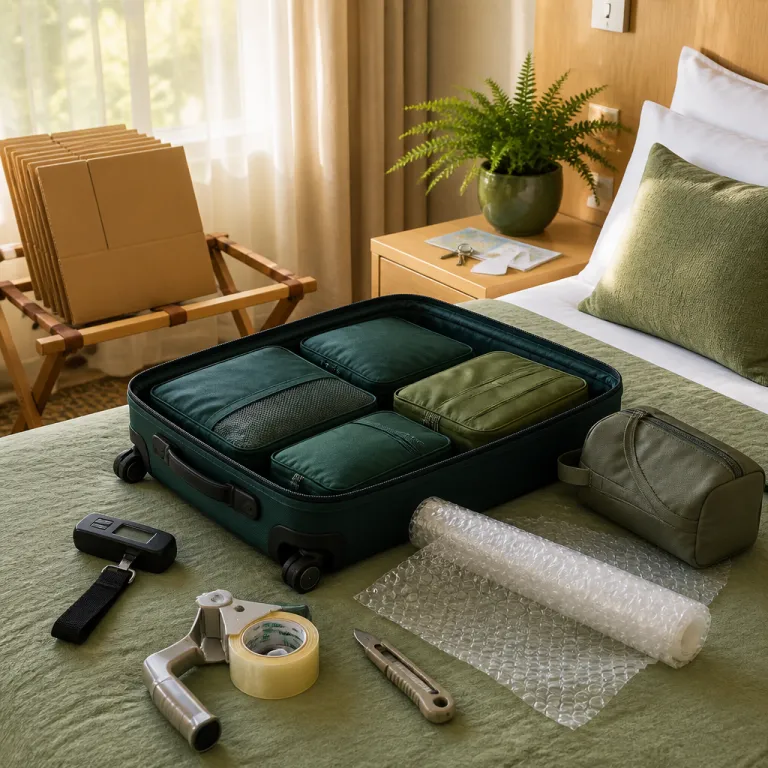
Why moving to Florida from California reshapes your hotel expectations
Moving to Florida from California is not only a change of address, it is a complete reset of how you travel, book hotels and think about temporary housing. When you move from California to Florida, west coast routes stretch across thousands of miles, so your first nights in the new state often happen in a hotel rather than in a fully settled home. As Californians compare each property and its guest reviews, they quickly realise that hotel choices along Florida beaches can either ease the long distance stress of the move or add unnecessary cost and frustration.
Many guests arriving from California land in Miami, Orlando, Tampa, Jacksonville or even smaller Gulf Coast cities, and they use those first hotel stays to scout neighbourhoods before committing to long term residency. Recent interstate relocation data shows that tens of thousands of people moved to Florida from California in 2022, and this steady flow of Californians has encouraged hotels to refine full service offerings such as late check in, flexible cancellation, extended stay discounts and partnerships with van lines that handle luggage or moving boxes. When you plan your own move from Los Angeles or San Diego, treating the first hotel as a strategic base rather than a simple overnight stop will help you manage time, cost, stress and decision making.
Think of your hotel as the bridge between your old state and your new one, because the right property can store belongings, provide reliable Wi Fi for remote work, and offer local advice about property taxes or neighbourhood tax rate differences. Travellers moving along California–Florida routes often underestimate how tired they will feel after driving more than 2 700 miles between Los Angeles and Miami or around 2 300 miles between San Diego and Jacksonville, so choosing a hotel with quiet rooms, blackout curtains and late breakfast can be more valuable than a flashy lobby. As you compare options, focus on clear information about taxes and fees, transparent miles rating if you are using loyalty programmes, and flexible policies that match the unpredictable timing of a cross country move.
Tax, income and residency shifts that influence where you stay first
The financial contrast between California and Florida is one of the main reasons people start moving from west to east, and it directly shapes how much you can spend on hotels during the transition. In California the state income tax can be significant, while in Florida there is no state income tax, so every night you delay establishing residency may mean extra income taxed at the higher California rate. Official guidance confirms this difference clearly with the question "Does Florida have state income tax?" followed by the answer "No, Florida has no state income tax," a simple statement with major budget implications.
When you plan your move from California, Florida tax rules should be part of your hotel strategy, because the date you become a Florida resident can affect both state income and future property tax obligations. Some Californians choose to book a hotel for several nights while they open bank accounts, obtain a Florida driver licence, register vehicles and sign a lease or close on a property, which helps establish residency in the new state more quickly. During those days in a hotel you will also encounter Florida sales tax on room rates and resort fees, so it is wise to request an itemised quote in advance and compare the total cost with what you would have paid for similar accommodation back in Los Angeles or San Diego.
Property taxes in Florida are generally lower than in many parts of California, yet they vary by county and can influence which city you choose after your initial hotel stay. For example, recent county data shows that average effective property tax rates in Florida often sit around 0.8% to 1.0% of assessed value, compared with rates that can exceed 1.1% in some major California metropolitan areas. If you are still deciding between Miami, Orlando or Tampa while living out of a suitcase, use your hotel time to meet real estate agents who can explain local property tax rates, homestead exemptions and long term housing costs so the money you spend on temporary accommodation becomes an investment in understanding taxes, residency rules and the true cost of your move.
Planning the long distance journey: from van lines to hotel check in
Driving or shipping your life from California to Florida is a genuine long distance undertaking, and the logistics will shape when and where you book hotels. The estimated distance between Los Angeles and Miami is roughly 2 700 to 2 800 miles by road, while a route from San Diego to Jacksonville still covers more than 2 300 miles, so you must plan several overnight stops even before you reach your final Florida city. Many Californians hire national van lines or other moving companies for the heavy lifting, then use their own car for a slower cross country move that includes hotel stays in Arizona, Texas, Louisiana and the Florida Panhandle.
When you request estimate proposals from moving companies, ask whether they partner with any hotel chains or offer discounted full service packages that combine van transport with prearranged accommodation. Some van lines provide a single quote that includes packing, loading, long distance transport and short term storage, which allows you to spend a few extra nights in a Florida hotel while you wait for your property to be ready. If you prefer self moving, remember that driving a rented van across several states is tiring, so plan hotel stops every 600 to 800 miles and book flexible rates in case traffic, roadworks or weather delays your arrival time.
For families leaving from California cities such as Los Angeles or San Diego, it can be helpful to schedule the final night in your old state near the airport or freeway, then aim for a first Florida hotel close to your new neighbourhood. This approach shortens the last driving day and gives you more energy to handle check in, unpacking and early errands related to residency and utilities. Always confirm parking policies in advance, because not every property is equipped to handle large moving vans or trailers, especially in dense coastal areas near popular beaches and historic districts.
Choosing Florida hotels that match your new coastal lifestyle
Once you arrive in Florida, California contrasts become obvious, especially when you compare Pacific cliffs with Atlantic and Gulf beaches that stretch for kilometres. Many Californians want their first hotel to sit near the water, yet you should balance that wish against the cost of oceanfront rooms and the practical need to reach schools, offices or your future property easily. A hotel slightly inland can still offer quick access to beaches while keeping nightly rates lower, which matters when you are funding both a long distance move and the early stages of a new life.
Look closely at rating reviews that mention noise levels, parking and Wi Fi reliability, because these details matter more to someone moving from another state than to a short term holiday guest. If you are working remotely during the transition, ask the hotel for a written quote that confirms internet speed, parking fees and any extra taxes, then compare that information with your budget and the expected time until your shipment arrives. Guests arriving from California often appreciate properties that provide laundry facilities, small kitchenettes and flexible housekeeping, since these full service touches make a hotel room feel more like a temporary apartment.
Coastal cities such as Miami Beach, Fort Lauderdale and Clearwater offer a wide range of properties, from simple roadside inns to luxury high rises with extensive amenities. When you evaluate options, consider whether you will be exploring multiple neighbourhoods before choosing a long term home, because in that case a central hotel near major highways may be more useful than a secluded resort. Over several nights you can drive different routes, measure real world distance miles to potential workplaces, and decide which part of the state truly suits your lifestyle beyond the postcard images of beaches and palm trees.
Balancing hotel costs with the broader cost of moving
Relocating from California to Florida involves several layers of cost, and hotel spending is only one part of the overall budget. You will pay for van lines or truck rental, fuel for thousands of miles, packing supplies, pet transport and possibly storage, so it is essential to keep a clear record of every quote and receipt. Many Californians underestimate how quickly nightly rates, sales tax and parking fees accumulate when they extend hotel stays while waiting for a property to close or for furniture to arrive.
Before you leave California, create a realistic estimated distance for each driving day and assign a maximum hotel budget per stop, then add a small buffer for unexpected delays. As a rough guide, mid range hotels along major interstate routes can often cost between $120 and $220 per night before tax, while extended stay properties in Florida cities may offer weekly rates that reduce the effective nightly price. When you reach Florida, decide how many nights you can afford in a hotel before you must secure a lease or move into your purchased property, because every extra day affects both your cash flow and the timing of your residency for tax purposes.
Some travellers choose to split their stay between an airport hotel for the first intense days of paperwork and a quieter suburban property later, which can reduce cost while still providing access to the beaches and city centres they want to explore. Remember that the long term financial benefits of lower property taxes and the absence of a Florida state income tax will only materialise after you settle, so avoid draining your savings on unnecessarily luxurious hotel stays. Ask each property whether they offer weekly or monthly rates, which often include discounted parking and laundry access, and compare those offers using both price and miles rating if you are collecting loyalty points so hotel decisions become part of your overall move strategy rather than a separate travel expense.
From hotel room to permanent home: using your stay to secure property
The days or weeks you spend in a Florida hotel after leaving California are an ideal time to turn a temporary room into a command centre for your property search. With no immediate pressure to unpack a van or arrange furniture, you can focus on touring homes, meeting agents and understanding how local property tax structures differ from those in your former state. Many Californians schedule morning showings, return to the hotel in the afternoon to review documents, then head out again in the evening to experience neighbourhoods at different times of day.
Use this period to ask detailed questions about property taxes, homeowners association fees and insurance, because coastal areas prone to storms may carry higher premiums even if the basic tax rate is lower than in California. Hotel concierges and front desk teams often know which districts are popular with new arrivals moving from California, and they can share practical insights about commute times, school reputations, safety and access to beaches. When you feel ready to make an offer, the hotel business centre can be invaluable for printing contracts, scanning identification and handling other paperwork related to your move.
Once you have secured a lease or purchase agreement, coordinate closely with your moving company or van lines to align delivery dates with your final hotel checkout time. Ask the movers for an updated quote if schedules change, and confirm whether any extra distance miles within the city will affect the final cost, especially if your new property sits on a barrier island or in a gated community. By the time you roll your last suitcase out of the hotel lobby, you will have transformed a transient stay into a carefully managed bridge between your life in California and your new chapter on Florida shores.
Key figures on moving to Florida from California
- Recent interstate migration data compiled by USAFacts from 2022 Census estimates reports that about 36 200 people moved to Florida from California in a single year, highlighting a sustained flow of Californians reshaping demand for hotels, rentals and housing.
- Typical driving routes from Los Angeles to Miami cover about 2 700 to 2 800 miles, while San Diego to Jacksonville spans roughly 2 300 to 2 400 miles, which usually requires at least four to six hotel nights for a comfortable long distance journey.
- Florida levies no state income tax, whereas California applies a progressive state income tax, so high earning households can redirect thousands of dollars annually toward housing, travel and hotel stays during the relocation period.
- In many Florida counties average effective property tax rates remain around or below 1.0% of assessed value, compared with higher averages in several major California metropolitan areas, which encourages new arrivals to invest in ownership after an initial period in hotels or short term rentals.
- Popular destinations for Californians relocating to Florida include Orlando, Tampa, Jacksonville and Miami, and hotels in these cities increasingly tailor full service offerings to guests who are in the process of establishing residency rather than simply visiting on holiday.
FAQ: practical questions about moving to Florida from California
Is it cheaper to live in Florida than California ?
Yes, Florida has a lower overall cost of living than California for many households, especially when you factor in the absence of a Florida state income tax. Housing can still be expensive in certain coastal markets, yet many Californians find that property prices and property taxes feel more manageable than in Los Angeles or San Diego. When you plan your move, compare not only headline rents or purchase prices but also insurance, utilities, transport costs and sales tax on everyday spending.
Does Florida have state income tax ?
Florida does not levy a state income tax on wages or salaries, which is a major contrast with California where residents pay a progressive state income tax. This difference is one of the strongest financial incentives for moving from California to Florida, particularly for high earners and remote workers. Many new arrivals time their residency date carefully, sometimes using hotel stays as a buffer while they complete paperwork, update registrations and align their tax year with the move.
How should I plan hotel stops on the drive from California ?
When driving from California to Florida you should plan hotel stops every 600 to 800 distance miles, depending on your stamina and whether you are driving a car, towing a trailer or handling a loaded van. Families leaving from Los Angeles or San Diego often schedule four to six nights on the road, choosing properties with secure parking, breakfast included and easy freeway access. Booking flexible rates allows you to adjust for traffic, weather or delays with van lines while keeping overall cost under control.
Which Florida cities are most popular with Californians relocating east ?
Orlando, Tampa, Jacksonville and Miami consistently attract large numbers of Californians who are moving east in search of lower taxes, warm weather and access to beaches. Each city offers a different balance of employment opportunities, housing stock and lifestyle, so many newcomers book hotels in more than one area before committing to a long term property. This approach lets you compare commute times, neighbourhood character and local tax rate differences in real conditions rather than relying solely on online research.
Should I book a hotel or short term rental while waiting for my property ?
The choice between a hotel and a short term rental depends on how long you expect to wait for your property and how much full service support you want. Hotels can be ideal for shorter stays of a few days or weeks, offering housekeeping, front desk assistance and flexible check in times that suit the unpredictability of a long distance move. For longer gaps of several months, a furnished rental may provide better value, though you should still compare total cost, taxes and the convenience of included utilities before deciding.