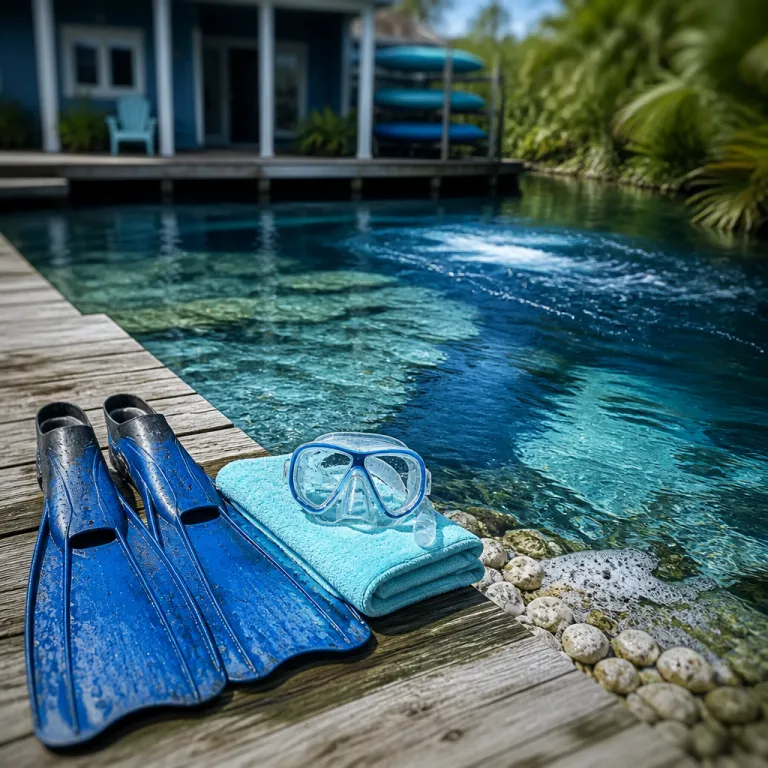
Why natural springs in Florida for swimming pair perfectly with your hotel stay
Choosing natural springs in Florida for swimming transforms a simple hotel booking into a restorative escape. When you base yourself near clear freshwater springs and a spring pool instead of only the beach, you gain calmer water, cooler air, and quieter recreation. Many travelers now plan their entire Florida itinerary around access to Florida springs and nearby lodging that keeps them within a few hundred feet of the water.
Across the state, more than a thousand documented springs create a network of natural pools, river runs, and underwater cave systems that feel worlds away from theme park crowds. These Florida springs pump millions of gallons of water every day, holding steady around 22 °C (about 72 °F), which makes swimming comfortable even when city pavements shimmer with heat. If you learn how each springs area differs — from family-friendly recreation to advanced diving — you can match the right spring or Florida springs cluster to the right hotel style.
For guests who value quiet nights, staying near a state park that protects a major spring often means darker skies, less traffic, and more wildlife. Families who want easy swimming access can choose hotels beside a recreation area where a spring pool meets a gentle river, giving children both shallow water and a slow current. As you learn the blue nuances of each region, from the Suwannee River corridor to Central Florida’s Silver Springs basin, you can decide whether you prefer a compact park or a larger springs state complex spread over many acres of protected land.
North Florida springs: hotel bases for rivers, caves, and crystal water
North Florida is the strongest base if you want hotels close to multiple natural springs in Florida for swimming in one trip. Along the Suwannee River and its tributaries, a chain of springs and spring runs offers clear water, shaded banks, and easy access from small towns with reliable roadside motels and riverfront lodges. Here, you can see how different Florida springs systems behave, from shallow bowls to deep cave entrances used for technical diving.
Ginnie Springs near High Springs is famous for its transparent blue water, sandy spring pool, and extensive underwater cave network that attracts divers from around the world. Hotels in nearby Alachua or Lake City keep you within a short drive of Ginnie Springs while also placing you near the Ichetucknee and Santa Fe river systems, which means you can swim one spring in the morning and float a river in the afternoon. When you compare nightly rates, remember that staying slightly farther from the park gate often lowers costs, leaving more budget for guided river experiences or equipment rentals for diving and snorkeling.
Farther west, Lafayette Blue Springs State Park sits on the Suwannee River and offers a quieter alternative with fewer crowds and more forested acres around the water. The Lafayette Blue Springs area has rustic cabins and small hotels within driving distance, ideal if you want to alternate between swimming, hiking, and visiting nearby towns. If you are flying into Jacksonville or Tallahassee and then driving, consider using strategies from this guide to turning cheap flights into a hotel upgrade to stretch your budget for a better riverfront room.
Central Florida’s iconic springs: pairing resort comforts with clear blue water
Central Florida combines some of the most famous natural springs in Florida for swimming with the state’s broadest range of hotels, from simple roadside inns to full-service resorts. Silver Springs near Ocala, once known for glass-bottom boats, remains a classic choice where you can swim in nearby spring runs, paddle the river, and then return to a comfortable room in town. The Silver Springs area also gives you access to other Florida springs within an hour’s drive, which is ideal if you want several different swimming experiences during one stay.
Blue Spring State Park near Orange City is another standout, especially in cooler months when manatees gather in the warm spring water. While swimming is seasonally restricted to protect wildlife — the main spring run typically closes to swimmers during manatee season, as noted by the Florida Park Service — staying in hotels near Blue Spring still pays off because you can kayak, walk the river boardwalk, and then drive to other Florida spring locations for open swimming. Many guests pair a day at Blue Spring with a visit to nearby Rock Springs at Kelly Park, where a natural spring pool feeds a lazy river perfect for tubing and relaxed recreation.
Travelers considering long stays or scouting future retirement bases often choose Central Florida hotels near these springs to test how it feels to live with year-round access to clear water. If you are in that group, use this detailed guide on retiring in Florida for hotel-minded travelers to evaluate neighborhoods, healthcare access, and seasonal crowd patterns. By combining that planning with on-the-ground visits to Silver Springs, Blue Spring, and Rock Springs, you can see which state park setting best matches your long-term lifestyle.
Gulf Coast and Big Bend springs: quiet hotels near rivers and forests
The Gulf Coast and Big Bend region offer some of the most peaceful natural springs in Florida for swimming, backed by modest but welcoming hotels. Manatee Springs State Park near Chiefland features a large spring pool that flows into the Suwannee River, with boardwalks through cypress forest and regular manatee sightings in cooler months. Hotels in Chiefland and Fanning Springs place you within a few kilometres of both Manatee Springs and other Florida springs along the river corridor.
Farther south, Weeki Wachee Springs State Park blends a classic roadside attraction with genuine spring-fed recreation, including a clear river ideal for kayaking and swimming. The Weeki Wachee area has a mix of chain hotels and independent motels, many within a short drive of the park and the Gulf of Mexico, which lets you alternate between spring water and saltwater beaches. If you want more space, look for properties that list their land in acres rather than just square metres, since larger grounds often mean quieter nights and more room for outdoor recreation.
Leon Springs and other smaller springs state sites in the Big Bend are less known but reward travelers who value solitude over amenities. You will find fewer hotel options near Leon Springs, yet the ones that exist often cater to anglers, paddlers, and divers who come for the clear water and forested recreation area. This region suits guests who prefer to follow the blue rhythms of rural Florida, where a day might include a morning swim, an afternoon river paddle, and an evening watching stars from a simple but comfortable room.
How to choose a hotel near Florida springs for swimming, diving, and families
When you plan a trip around natural springs in Florida for swimming, your hotel choice should follow the water, not the highway. Start by deciding whether your priority is easy swimming access, advanced diving, or a mix of both, then map hotels within a few kilometres of your chosen spring or springs. Families often do best near a state park that offers a roped-off spring pool, shallow water, lifeguards in peak season, and a nearby recreation area with playgrounds and picnic tables.
Divers, by contrast, should focus on properties close to sites like Ginnie Springs, Blue Grotto, and other cave systems where depth and visibility matter more than sandy beaches. At Ginnie Springs, for example, underwater cave passages extend for hundreds of metres, and depths can reach more than 30 feet, so staying nearby reduces early morning driving before technical dives. Blue Grotto near Williston is another popular diving spring, and hotels in town or in Ocala give you reasonable access while still keeping you close to Silver Springs and Rainbow Springs for more relaxed swimming days.
Couples seeking quiet often prefer smaller hotels near springs state parks such as Lafayette Blue, Manatee Springs, or Rainbow Springs, where evening noise drops and wildlife sounds replace traffic. If you also want a beach day, choose a base that balances spring access with a manageable drive to the coast, then use this guide to family-friendly beaches and hotel tips to compare sand quality, wave conditions, and nearby lodging. By aligning your hotel with the specific Florida springs you plan to visit, you ensure that every day starts and ends within easy reach of clear blue water.
Practical planning: distances, depths, and what to learn before you book
Smart planning for natural springs in Florida for swimming begins with understanding distances, depths, and daily routines. Many Florida springs sit within state park boundaries, and driving times between parks can stretch longer than they appear on a map, especially along the Suwannee River corridor. Before you lock in a non-refundable hotel rate, decide how many springs you realistically want to visit and how many kilometres you are comfortable driving each day.
Depth is another key factor, particularly if you travel with children or new swimmers who prefer shallower water. Some springs, such as parts of Ginnie Springs or Blue Grotto, drop quickly to more than 10 metres, while others like Rock Springs and Rainbow Springs offer broad shallow shelves where you can stand in waist-deep water for many metres. Check park maps for depth markers in feet and metres, and remember that clear blue water can make deep sections look deceptively shallow, especially around cave entrances.
Finally, pay attention to daily capacity limits and seasonal closures at each state park or recreation area, because these rules directly affect how you use your hotel base. Popular sites like Blue Spring and Silver Springs can reach capacity early on weekends, which means staying closer increases your chances of entering before gates close. By taking time to review details such as opening hours, flow rates in gallons of water, and wildlife seasons at each springs state site, you protect your investment in both flights and accommodation and ensure that every swim feels relaxed rather than rushed.
Key figures on Florida springs, water flow, and visitor patterns
- Florida has more than 1,000 documented springs, the highest concentration of freshwater springs in the world, with many clustered along the Suwannee River and in Central Florida (Florida Department of Environmental Protection, Florida Springs overview).
- First-magnitude Florida springs such as Silver Springs and Blue Spring discharge at least 2.83 cubic metres per second, which equals roughly 740 gallons of water every second flowing into rivers and spring runs (United States Geological Survey, spring discharge classifications).
- Water temperatures in major springs state parks remain near 22 °C year-round, making natural springs in Florida for swimming comfortable even when summer air temperatures exceed 32 °C (Florida Park Service, park temperature summaries).
- Popular sites like Ginnie Springs, Rainbow Springs, and Weeki Wachee collectively attract hundreds of thousands of visitors annually, with peak visitation on weekends and public holidays leading to early park closures once parking areas and facilities reach capacity (Florida tourism statistics and park attendance reports).
- Average visibility in clear blue spring water often exceeds 30 feet, which is why locations such as Blue Grotto and Ginnie Springs are considered premier freshwater diving destinations in the southeastern United States (regional diving association reports and operator data).
FAQ about hotels near Florida’s natural springs for swimming
Which Florida springs are best for families who want nearby hotels ?
Families usually do well at Rainbow Springs, Rock Springs, Manatee Springs, and Weeki Wachee, because each offers a defined spring pool or gentle river run plus hotels within a short drive. These parks provide clear water, shallow areas, and established recreation facilities that pair easily with chain hotels or small independent properties in nearby towns.
How far are the main springs from major Florida airports ?
From Orlando International Airport, you can reach Blue Spring, Rock Springs, and Silver Springs in roughly one to two hours by car, depending on traffic. From Jacksonville or Tallahassee, many Suwannee River and Lafayette Blue area springs lie within a two-hour drive, while Tampa provides access to Weeki Wachee and other Gulf Coast springs in about 60 to 90 minutes.
Can I visit several springs from one hotel base ?
Yes, if you choose your base carefully, one hotel can serve multiple Florida springs within a 60 to 90 minute radius. For example, staying in Ocala lets you reach Silver Springs, Rainbow Springs, Blue Grotto, and several smaller Florida spring sites, while a base near High Springs opens access to Ginnie Springs and other Suwannee River locations.
Are there hotels that cater specifically to divers at Florida springs ?
Several properties near Ginnie Springs, Blue Grotto, and other cave diving sites market directly to divers, offering rinse areas, gear storage, and early breakfast options. These hotels understand the needs of guests who plan multiple dives per day and often provide detailed local information about water conditions, depths in feet and metres, and access rules at each recreation area.
When is the best time of year to book hotels near springs ?
Late spring and early autumn often balance warm air temperatures with slightly lighter crowds, making it easier to secure hotels close to popular springs state parks. Winter brings manatees to Blue Spring and Manatee Springs, which increases demand for nearby rooms, while peak summer school holidays see the highest competition for accommodation near swimming-focused parks.