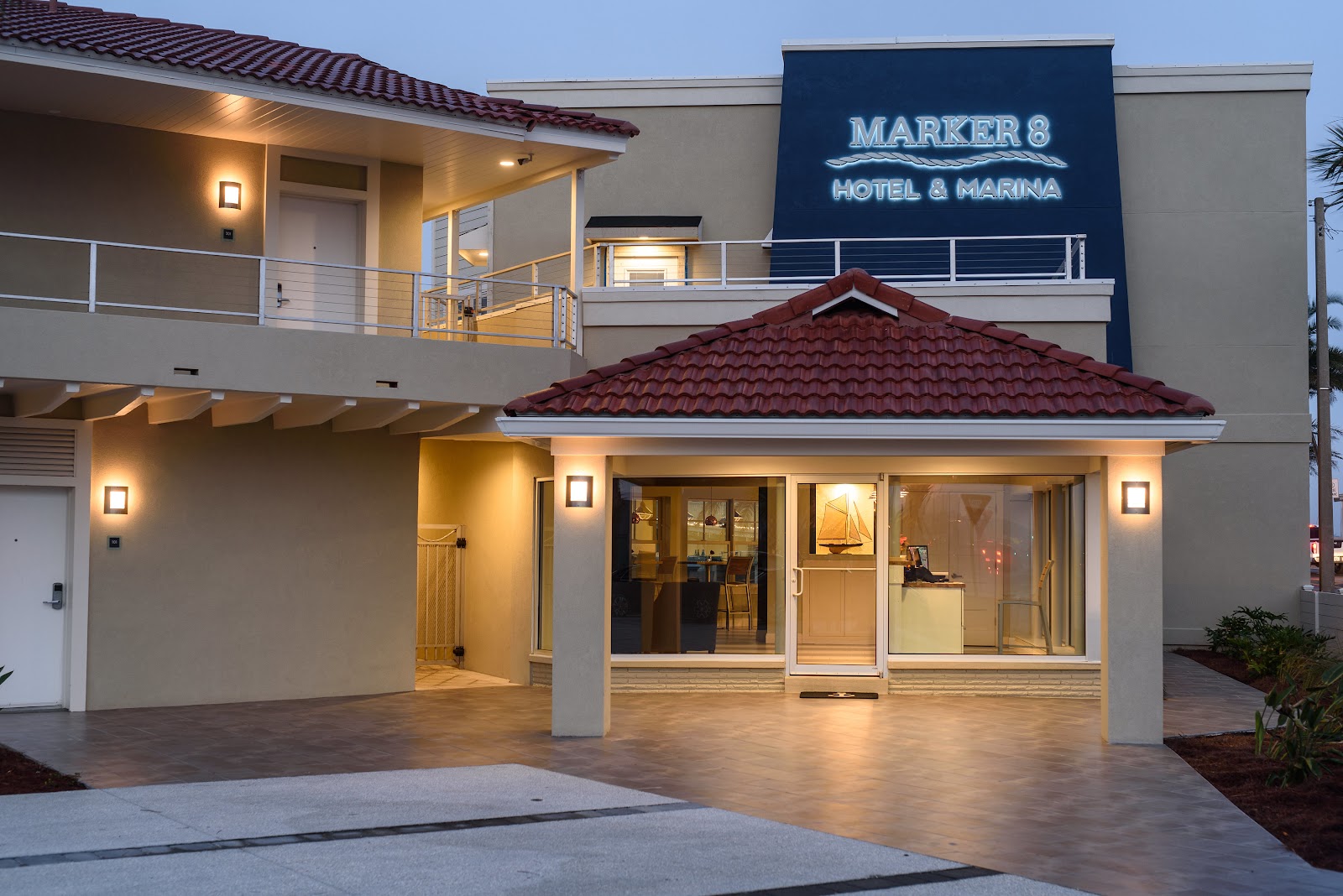
Planning a trip to St. Augustine, Florida? Learn how to choose the best historic hotel or beach resort, with tips on locations, parking, pet policies, and family-friendly amenities.
Why St. Augustine’s historic hotels are worth your stay
Stone walls, coquina arches, and the faint echo of horse-drawn carriages along Avenida Menendez; a historic hotel in St. Augustine, Florida is never just a place to sleep. Staying in the old town places you inside the story of the oldest continuously inhabited European-founded city in the United States, not beside it. You walk out of your room and within minutes you are on St. George Street, hearing church bells from the Cathedral Basilica and smelling roasted coffee from tiny courtyards hidden behind wrought-iron gates.
For travellers choosing between different St. Augustine hotels, the decision is less about star ratings and more about atmosphere. Do you want a centuries-inspired inn with creaking floors and thick masonry walls, or a more contemporary property that simply borrows a Spanish façade? Historic hotels in St. Augustine tend to favour character over uniformity; no two rooms feel quite the same, and that is precisely their appeal. If you value a strong sense of place, this is one of Florida’s top historic city breaks.
There is a trade-off. Many of the most charming hotels in downtown St. Augustine occupy older buildings with compact layouts, limited on-site parking, and sometimes fewer resort-style amenities such as a large spa or expansive pool deck. In exchange, you gain the ability to walk almost everywhere, from the Castillo de San Marcos to the Matanzas Riverfront, without ever needing a car. For most culture-focused guests, that is a fair bargain.
Choosing your area: downtown, bayfront, or beach
Staying within the downtown grid around King Street and Cordova Street means you are sleeping in the heart of the historic district. From here, you can check the time by the bells of Flagler College and reach the city gates on foot in under 10 minutes. These downtown St. Augustine hotels are ideal if your priorities are museums, architecture, and evenings spent in candlelit courtyards rather than on the sand. Expect a dense, walkable setting, with narrow streets and a constant backdrop of trolley tours.
Bayfront properties along Avenida Menendez and the Matanzas River offer a different mood. Here, the view becomes the main amenity: sunrise over the water, sailboats at anchor, and the Bridge of Lions glowing softly at night. Rooms in this area often lean into the maritime setting with balconies, verandas, or large windows, and some hotels provide easy access to boat tours or simple benches where you can watch dolphins in the channel. It suits guests who want historic surroundings but also crave open sky and water.
Across the bridge on Anastasia Island, beach hotels change the equation again. You trade immediate access to downtown for dunes, sea oats, and the Atlantic surf, typically within a few hundred metres of your room. These properties tend to feel more like a resort spa environment, with larger pools, more family-friendly layouts, and easier on-site parking. If you plan to split your time between the historic core and the beach, staying near St. Augustine Beach and driving 10 to 15 minutes into town can be a practical compromise.
What to expect inside a historic St. Augustine hotel
Rooms in the top historic hotels in St. Augustine, Florida rarely follow a standard template. You might find high ceilings with exposed beams, original fireplaces now used as decorative focal points, or tall windows overlooking brick lanes. Many properties offer a mix of compact historic rooms and larger, more modern additions; when you check hotel details, pay attention to whether your room is in the original structure or a newer wing. The experience can differ significantly in terms of layout and sound insulation.
Bathrooms in older buildings are often cleverly reconfigured from former closets or alcoves, which means they may feel smaller than those in newer Florida resorts. In exchange, you gain character: patterned tiles, pedestal sinks, or deep window ledges where the walls are nearly half a metre thick. Some St. Augustine hotel options include rooms with partial water views or balconies, but these are usually limited in number, so it is worth verifying the exact view category rather than assuming every room faces the bay.
Common areas tend to be where these hotels shine. Shaded courtyards with fountains, parlours furnished with period-inspired pieces, and verandas that catch the evening breeze are typical. While not every property offers a full spa, many have small relaxation areas, plunge pools, or quiet gardens that function as an urban retreat. If you are seeking a true resort spa experience with extensive wellness facilities, you will generally find more options closer to the beach or in larger Florida resort complexes outside the tight downtown grid.
Parking, pets, and practicalities: what to check before booking
Narrow colonial streets and limited space mean that parking is one of the most important practical points to verify in any St. Augustine hotel. Some historic inns include on-site parking in a small courtyard or adjacent lot, while others rely on nearby garages or off-site spaces. Sometimes parking is free for guests; in other cases, it is subject to nightly charges that are separate from room rates. When you check hotel policies, look carefully at what is included and what is billed separately.
Taxes and fees in St. Augustine, Florida follow local and state regulations, and they can add a noticeable amount to the final bill. Many properties list a base rate that excludes taxes and any additional charges such as parking or certain resort-style amenities. Before confirming, it is wise to review the full breakdown of taxes, fees, and optional extras so there are no surprises at check-out. This is especially relevant in larger properties that operate more like a resort spa, where extra services can accumulate quickly.
Pet policies vary widely. Some friendly hotels welcome animals and clearly state that pets are allowed, sometimes with designated pet friendly rooms on the ground floor or in a separate wing. Others do not accept pets at all, particularly in smaller historic buildings where space and fabrics are harder to protect. If travelling with a dog, confirm not only that pets are allowed but also any size limits, cleaning fees, and rules about leaving animals unattended. St. Augustine’s walkable streets and nearby green spaces can make it a pleasant destination for pets, provided the hotel’s conditions align with your plans.
Historic charm versus beach ease: which suits you best?
For travellers drawn to history, staying in or near the original city grid is the obvious choice. You wake up within a short walk of the Castillo de San Marcos, the Lightner Museum, and the former Ponce de Leon Hotel building that now houses Flagler College. The trade-off is that these top historic addresses often have fewer large-scale leisure facilities; you are choosing immersion in St. Augustine, Florida’s past over the full resort experience. Nights are about strolling along the bayfront, not about extensive pool complexes or on-site golf.
Beach hotels on Anastasia Island cater to a different rhythm. Here, the day might start with a walk along the sand at St. Augustine Beach, followed by a drive over the Bridge of Lions for lunch in downtown. Families often appreciate the easier parking, more spacious layouts, and casual atmosphere. If your ideal Florida stay revolves around the ocean, a generous pool, and perhaps a small spa, this side of town will feel more natural, even if it means planning your historic sightseeing in focused excursions.
Some travellers try to split the difference with a two-part stay: a few nights in a central inn for museums and restaurants, followed by a quieter stretch at the beach. This approach works particularly well for longer trips or for those visiting other parts of Florida, such as the golf-focused communities to the north or south along the coast. In any case, the key is to decide whether your priority is to step out directly into history or to have the Atlantic just beyond the dunes.
Amenities that matter: breakfast, relaxation, and family needs
Morning in St. Augustine often begins in a courtyard. Many smaller inns and hotels in the historic district offer some form of breakfast, ranging from a simple continental spread to a more elaborate cooked service. When comparing options, check whether breakfast is included or available for an extra charge; a genuinely free breakfast can add both convenience and value, especially if you prefer to start the day quietly before joining the crowds on St. George Street. In larger properties, breakfast may be served in a dedicated dining room rather than in a shared parlour.
Relaxation spaces vary. Some downtown properties provide compact plunge pools or small garden pools, more for cooling off after a day of walking than for extended lounging. Others focus on shaded verandas, reading rooms, or intimate courtyards instead of water features. If a full spa experience is important to you, look for hotels that explicitly describe spa services or consider staying closer to the beach, where resort-style layouts are more common. In St. Augustine, the city itself often functions as the main attraction; the hotel’s role is to frame that experience comfortably.
Families should pay attention to room configurations. Historic buildings sometimes have fewer large rooms or suites, and staircases can be narrow. If you need extra space, a sofa bed, or connecting rooms, verify these details in advance rather than assuming they are standard. Beachside properties tend to offer more family-oriented layouts and easier access to outdoor space, which can be helpful with children. In all cases, check whether any mandatory taxes, fees, or parking charges apply per room or per night, as this can influence the overall cost of a multi-night family stay.
How to identify the right historic hotel for your trip
Start with location. If your main goal is to explore the historic core on foot, focus on hotels within a few blocks of King Street, Cathedral Place, or the bayfront. This area keeps you close to the city’s top historic landmarks and dining options, reducing the need to drive or navigate parking garages. If you are planning a mixed itinerary that includes beach time, consider whether you prefer to commute from downtown to the ocean or the other way around; the answer will often reveal which side of the bridge suits you best.
Next, clarify your non-negotiables. Do you need on-site parking rather than relying on public garages? Are pets allowed essential because you are travelling with a dog? Is a certain type of view, such as water or courtyard, central to your idea of a successful stay? Once you know these priorities, you can quickly narrow the field of St. Augustine hotels to those that genuinely fit your needs instead of being distracted by features you will not use, such as golf access or extensive event spaces.
Finally, look closely at the fine print. Check hotel descriptions for whether breakfast is included, whether any resort-style amenities carry extra charges, and how taxes and fees are presented. A property that appears to be among the hotels best suited to your style may feel less appealing once you factor in nightly parking charges or mandatory extras. In St. Augustine, where the charm of the setting does much of the work, the ideal hotel is usually the one that quietly supports your plans without imposing unnecessary complications.
Is St. Augustine a good place to stay for a historic Florida trip?
St. Augustine is one of the strongest choices in Florida for travellers who prioritise history, architecture, and walkable streets over large-scale theme parks. The compact downtown, anchored by landmarks such as the Castillo de San Marcos and the former Flagler-era hotels, allows you to explore on foot while staying in characterful properties that reflect the city’s Spanish and Gilded Age heritage.
Should I stay downtown or near the beach in St. Augustine?
Stay downtown if you want to walk to museums, restaurants, and historic sites, and do not mind smaller pools or limited parking. Choose the beach area on Anastasia Island if daily access to the ocean, larger outdoor spaces, and a more relaxed resort feel matter more, and you are comfortable driving 10 to 15 minutes into the historic district when you want to explore.
Do historic hotels in St. Augustine usually include parking?
Many historic hotels in St. Augustine have limited on-site parking, sometimes included and sometimes charged as a separate nightly fee. Because space is tight in the old city grid, some properties rely on nearby garages or off-site lots, so it is important to verify parking availability, location, and cost before booking.
Are pets allowed in St. Augustine’s historic hotels?
Pet policies vary widely among St. Augustine hotels. Some inns and small hotels are pet friendly and designate specific rooms or floors for guests with animals, often with an additional cleaning fee, while others do not accept pets at all. Travellers with dogs should confirm both the pet policy and any related charges in advance.
Can I find family-friendly historic hotels in St. Augustine?
Families can find suitable options in both the historic district and the beach area, but layouts differ. Downtown, many historic buildings offer a limited number of larger rooms or suites, so availability can be tighter. Near the beach, hotels more often feature spacious rooms, easier parking, and outdoor areas that work well for children, while still allowing for short trips into the historic core.