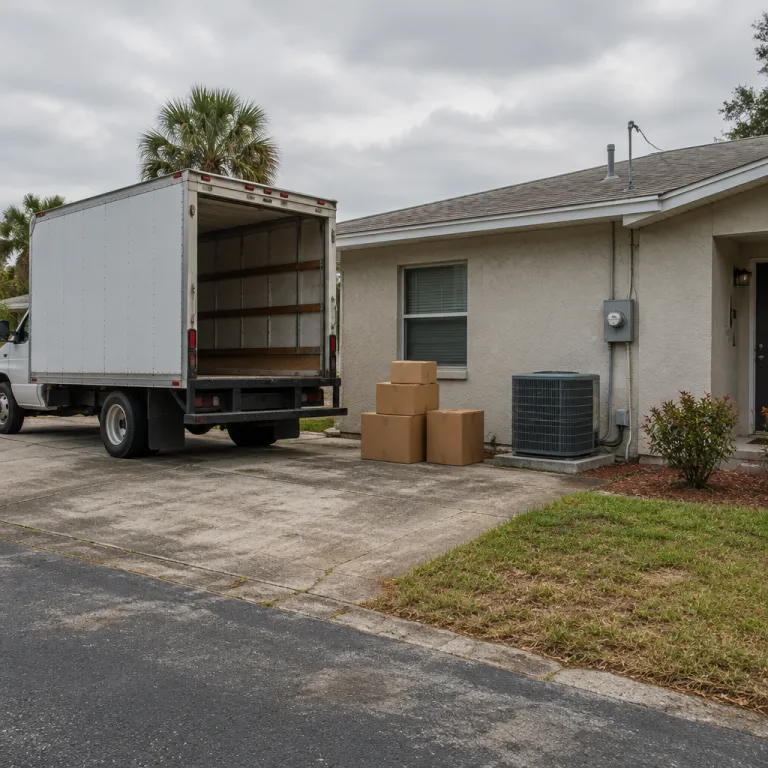
Why the sunshine state tax pitch no longer tells the whole story
Moving to Florida pros and cons used to sound simple enough. You heard that the state skips personal income tax, you saw palm trees on a postcard, and suddenly the idea to move to Florida felt like a pure financial win. For many residents who already live in Florida, life in Florida now feels more like a careful spreadsheet than a carefree beach move.
The headline advantage is real: there is no state income tax for individuals or capital gains, which means higher earners can keep more income year round. That single pro is why so many people are moving to Florida from high tax states, especially when they compare their old state income burden with what Florida offers on paper. Yet when you zoom out from the tax line and look at the full cost of living in Florida, the pros and cons balance shifts fast.
Missouri Economic Research & Information Center (MERIC) data for 2023 shows that the overall cost of living in Florida now sits just above the national average, which surprises newcomers who expected a bargain. MERIC’s composite index suggests that the average annual cost of living for a typical Florida household is roughly 62,000 dollars, assuming a family of four covering housing, food, transportation, health care, and basic utilities. That estimate is before you add the steep insurance costs that define the cons of living near the coast. When you run the moving to Florida pros and cons calculation honestly, you have to treat insurance as a second tax, not an afterthought.
Housing is the other quiet con that reshapes the math of moving. Average rent in the state has risen about 85 percent over roughly a decade, climbing from around 1,194 dollars to about 2,208 dollars, which means many new residents pay far more to live in Florida than friends who stayed put elsewhere. For anyone planning to move to Florida with a modest income, the cost of rent can erase the benefit of no state income tax in a single lease cycle.
Property owners feel the squeeze differently, because real estate values have climbed while insurance costs have surged. Statewide insurance analyses, including Florida Office of Insurance Regulation summaries from 2022–2023, show average annual property insurance premiums in the sunshine state now sit around 2,794 dollars, up more than 60 percent in just a few years, and that is before any hurricane season surcharges. When you add those insurance costs to property tax and maintenance, the total cost of living for owners can rival what they once paid in a high tax state income system.
Even day to day living has shifted, as inflation outpaced wage growth for many residents. A 2023 survey by a major Florida news outlet reported that nearly 90 percent of Floridians were worried about inflation, and about half had considered moving out of state, which is a striking reversal of the usual moving to Florida narrative. If you are weighing moving to Florida pros and cons today, you are not just choosing sunshine, you are choosing a different risk profile for your budget.
For higher earners, the pro side of the ledger can still win decisively. A professional couple relocating from New York or California may save tens of thousands of dollars in income tax each year, even after they factor in higher insurance costs and a premium rent in cities like Miami or Tampa Bay. For middle income workers, retirees on fixed income, or service staff who keep hotels and restaurants running, the cons of living in expensive coastal areas can outweigh the glamour of the move.
The state government leans heavily on the no income tax message, and it is not wrong. Florida offers a clear structural advantage for people whose income is high enough that state income tax once felt punitive, especially if they can choose where in the state they live. The real question is whether your own income, housing expectations, and tolerance for risk match the new cost of living reality on the ground.
Coast versus inland: where the math of living Florida actually works
When you start mapping moving to Florida pros and cons, the first fork in the road is coastal versus inland. The postcard version of the sunshine state is a condo in Miami Beach or a high rise overlooking Tampa Bay, but those cities hide some of the toughest cons of living in the state. Inland cities and university towns tell a very different story about what it costs to live in Florida with a sane budget.
Take Miami first, because cities like Miami dominate the fantasy for many would be residents. The cost of living in Miami has surged well beyond the national average, driven by real estate investors, international demand, and a limited supply of land between the Everglades and the Atlantic. Renters who move to Florida for the Miami lifestyle often find that the pro of no state income tax is swallowed by a rent bill that rivals New York.
Insurance costs add another con to coastal living, especially in the dense urban areas that line Biscayne Bay. Condominiums in Miami and nearby cities face both higher hurricane season risk and higher replacement costs, which insurers price into every policy. If you are running a moving to Florida pros and cons spreadsheet, you need to plug in those coastal insurance premiums before you fall for the skyline.
Now look inland at Gainesville, Lakeland, or Ocala, where the cost of living sits closer to or even below the national average. These cities are not cheap in an absolute sense, but the combination of lower real estate prices and somewhat more manageable insurance costs can make the overall cost of living in Florida feel rational again. For someone whose income is moderate, the pro of no state income tax finally has room to breathe in these areas.
Gainesville and Tallahassee, with their large student populations, offer a different rhythm of life in Florida than Miami or Tampa Bay. If you are curious about where to stay in the most vibrant university towns in Florida for students, guides to those neighborhoods double as scouting reports for future residents. Walking those streets, you can feel how the pros and cons balance shifts when you trade ocean views for leafy blocks and lower rent.
Public transportation is another quiet variable in the moving to Florida equation, and it varies sharply by region. Miami has a patchwork of Metrorail, Metromover, and buses, but many residents still feel forced into car ownership, which adds to the cost of living and erodes some of the tax advantage. Smaller inland cities often have weaker public transportation, which can be a con if you hoped to live in Florida without a car, yet their shorter commutes and cheaper parking soften the blow.
For hotel oriented travelers testing the waters before a move, the contrast between coastal and inland stays is instructive. A long weekend in a downtown Miami hotel will show you the high end version of living in Florida, from valet parking fees to resort taxes, while a week in a modest Gainesville or Ocala property reveals a slower, less expensive life in Florida. Treat those trips as field research, not just vacations, and you will see how the pros and cons of each region feel in your own wallet.
To make the coastal versus inland tradeoffs easier to scan, use a simple checklist:
- Housing costs: Coastal areas like Miami and Tampa Bay tend to have higher rents and home prices; inland metros such as Lakeland or Ocala usually offer more space for the same budget.
- Insurance and risk: Beachfront and bayfront neighborhoods face higher hurricane and flood exposure; inland zones still see storms but often carry lower premiums and deductibles.
- Transportation: Big coastal cities have more transit options but also heavier traffic and parking fees; smaller inland cities rely more on cars but feature shorter, cheaper commutes.
- Lifestyle and amenities: Coastal hubs deliver nightlife, luxury hotels, and resort style living; inland college towns emphasize campuses, local restaurants, and quieter residential streets.
In the end, the question is not whether Florida offers a good deal, but where within the state that deal still exists. If your income is flexible and you can choose among multiple cities, the inland metros and smaller coastal towns often tilt the moving to Florida pros and cons equation back toward the pro side. If your heart is set on the most expensive zip codes in cities like Miami or along Tampa Bay, you need to assume that housing and insurance will be your real state income tax, paid in a different form.
Hurricanes, insurance, and the hidden costs of year round sunshine
People talk about the sunshine as if it were free, but in Florida the weather shows up on your balance sheet. The same climate that makes living in Florida feel like a permanent holiday also drives some of the steepest insurance costs in the country, especially during hurricane season. When you weigh moving to Florida pros and cons, you have to treat climate risk as a financial variable, not just a lifestyle quirk.
Average annual property insurance premiums have climbed to roughly 2,794 dollars, a 63 percent jump in just a few years according to statewide insurance analyses and Florida market reports, and that is a statewide figure that hides even higher bills in coastal areas. Insurers price in the probability of storm damage, rising sea levels, and construction costs, which means residents near the water pay a premium for the privilege to live in Florida with an ocean view. For many households, those insurance costs now rival what they once paid in state income tax elsewhere.
Renters are not immune, because landlords pass their own insurance costs through to tenants in the form of higher rent. If you are calculating the cost of living in Florida as a renter, you need to assume that part of your monthly payment is effectively a climate surcharge. That is one of the most underappreciated cons of living in the sunshine state, especially for people who arrive expecting a simple tax win.
Hurricane season itself reshapes daily life in Florida in ways that do not always show up in cost of living calculators. You may need to budget for storm shutters, emergency supplies, and occasional evacuations, all of which add to the real cost of living over time. Even hotel stays can become part of your emergency plan, as some residents book inland rooms during major storms to ride out the worst weather.
Travelers who time their scouting trips for the quieter months get a different view of the state. Florida’s quiet season, with emptier beaches and cheaper stays once the summer crowds leave, is also when you can talk to hotel staff and long term guests about what year round living really costs. Reading a guide to that quiet season can help you understand how the pros and cons of tourism patterns intersect with your own budget.
For those who plan to move to Florida and buy real estate, the interplay between insurance, maintenance, and climate risk is central. A house in Tampa Bay or along the Gulf Coast may look like a dream, but you need to model multiple years of insurance costs, potential special assessments, and the possibility of higher deductibles after a major storm. Inland properties in places like Orlando, Lakeland, or Ocala still face weather risks, yet their insurance profiles often look more like a manageable pro than a crippling con.
Even if you never own, the rhythm of hurricane season shapes how you live in Florida year round. Employers may close, schools may shift schedules, and public transportation can be disrupted, which affects hourly workers and service staff most acutely. When you stack these realities against the benefit of no state income tax, the moving to Florida pros and cons equation becomes less about sunshine and more about resilience.
None of this means the sunshine state is a bad bet, only that it is a leveraged one. If your income is high, your savings robust, and your appetite for risk strong, the pro side of the ledger can still dominate, especially in carefully chosen areas. If you are stretching to afford the move, the climate linked cons of living in coastal zones may turn what looked like a financial upgrade into a fragile balancing act.
How to test drive life Florida before you commit to the move
The smartest way to approach moving to Florida pros and cons is to treat your first visits like reconnaissance, not escapism. Instead of booking the flashiest resort, choose hotels in the neighborhoods where you might actually live in Florida, then walk, ride public transportation, and shop like a local. You are not just sampling beaches, you are stress testing your future cost of living in Florida.
Start with a coastal stay in a place like St. Petersburg or a quieter stretch near Anna Maria Island, where you can feel the draw of the Gulf without the full Miami price tag. A practical guide on how to choose the closest airport to Anna Maria Island for a seamless beach hotel stay doubles as a lesson in everyday logistics, from airport transfers to grocery runs. Pay attention to parking fees, resort charges, and restaurant prices, because those line items mirror the pros and cons you will face as a resident.
On a second trip, book a longer hotel stay in an inland city such as Orlando, Lakeland, or Gainesville, ideally outside peak season. Track every expense for a full week, from rideshares to supermarket bills, and compare that total with your current cost of living and the national average. You will see quickly whether the pro of no state income tax outweighs the con of higher housing and insurance costs in the specific areas you prefer.
Use these trips to test your own tolerance for the climate and the pace of life in Florida. Spend a humid afternoon waiting for public transportation in Orlando, then drive the same route at rush hour, and ask yourself which version of the commute you can live with year round. The moving to Florida decision is not just about numbers, it is about how those numbers feel in your body at the end of a long day.
While you are on the ground, talk to hotel staff, rideshare drivers, and long term guests about their own pros and cons lists. Many will tell you that the sunshine and lack of state income tax are genuine pros, but they will also mention rent hikes, insurance shocks, and friends who had to move out of the state after a few hard years. Their stories put flesh on the dry statistics about cost of living and cons of living that you see in reports.
For a more structured view, remember that “about 62,600 dollars for a typical household” is the estimated annual amount a family of four needs in Florida, and “24.09 dollars per hour for a single adult; roughly 39.87 dollars per hour for one child” is the hourly wage range often cited as necessary to cover basics. Those figures, drawn from living wage style calculators such as the MIT Living Wage Calculator and MERIC cost of living comparisons for 2023, give you a baseline for what life in Florida demands before you add discretionary travel or dining. If your projected income falls well above those thresholds, the pro side of moving to Florida pros and cons may still look strong.
Finally, be honest about your Plan B before you move to Florida for good. If you are unsure whether the cost of living in Florida will work for you, consider a year long rental instead of buying real estate immediately, and keep enough savings to reverse the move if the cons of living pile up faster than expected. The sunshine state can be generous, but it rewards those who treat the move like a serious investment, not a spontaneous escape.
In the end, Florida offers both a tax haven and a test of financial discipline, and the people who thrive here are the ones who run the full equation. They count every pro and every con, from income tax savings to hurricane season premiums, from hotel parking fees to long term insurance costs. They know that the real Florida is not the resort brochure, but the tenth mile of the road.
Key figures behind the Florida move
- Florida’s overall cost of living index sits just above 100 on a scale where the national average equals 100, indicating that the state is now slightly more expensive than the country as a whole (Missouri Economic Research & Information Center, “Cost of Living Data Series,” 2023).
- The average annual cost of living for a typical Florida household is estimated around 62,000 dollars, assuming a family of four renting a modest home and covering core expenses such as food, transportation, health care, and utilities (MERIC cost of living comparisons and 2023 living wage style estimates).
- Average rent in Florida climbed from roughly 1,194 dollars to about 2,208 dollars over a decade, an increase of approximately 85 percent that reshapes the moving to Florida pros and cons calculation for renters (regional reporting based on Florida housing market data from the early 2010s through 2023).
- Average annual property insurance premiums in Florida reached about 2,794 dollars, a rise of roughly 63 percent in just a few years, turning insurance costs into a major con for many homeowners (Florida Office of Insurance Regulation and statewide insurance market analyses, 2019–2023).
- Nearly 90 percent of surveyed Florida residents reported concern about inflation, and about half had considered leaving the state, highlighting how quickly the cost of living can pressure even long term residents (statewide opinion survey reported by a major Florida news outlet in 2023).
- The state maintains a 0 percent individual income tax rate while relying on a sales tax around 6 percent and an effective property tax rate near 0.78 percent, a structure that shifts the tax burden away from wages and toward consumption and assets (Tax Foundation “State and Local Tax Burdens” and Florida Department of Revenue data, 2022–2023).
- Typical interstate moving costs to Florida range from about 2,000 to 7,800 dollars depending on distance and home size, an upfront expense that should be built into any serious moving to Florida budget (national moving cost benchmarks from major relocation companies, 2023 estimates).