Timing your trip around Florida stone crab season
Florida stone crab season is the rare food calendar that can shape an entire romantic escape. The commercial stone crab fishery opens on 15 October and runs into early May, and that window quietly decides when the freshest claws hit menus from Miami Beach to Key Largo. Plan your stay for the cooler months of the season in Florida, and you will find quieter beaches, softer light and a crab season that feels purpose built for long dinners and late walks.
At the very start of Florida stone crab season, claws are at their most coveted and often their most expensive. Early on, commercial boats work their crab traps hard, and the first claws harvested are rushed on ice from the Gulf and Keys to raw bars in Miami, Naples and Islamorada, where every plate of fresh stone claws tastes like a celebration of the sea. By mid season Florida settles into a rhythm ; prices can ease slightly, crab population pressures are monitored closely, and you can linger over seafood without the opening week frenzy.
For couples, the most strategic time is usually late November through January, when the air is dry, the water is clear and the stone crabs are still abundant. This is when a stay in South Beach, a weekend in the Middle Keys or a detour to the Gulf islands pairs beautifully with a claws focused dinner and a slow morning after. If you are mixing city nights with coastal drives, consider routing via vibrant university towns and planning where to stay using a guide such as where to stay in the most vibrant university towns in Florida, then dropping south just as the crab season peaks.
Where the claws come from and how to stay nearby
The heart of Florida stone crab fishing lies in a triangle between the Keys, Miami and the lower Gulf coast. Commercial crews set thousands of crab traps off the Everglades and around the Keys, while recreational stone crab enthusiasts work a handful of traps closer to shore, all under strict regulations that aim to protect the crab population. When you book a hotel, you are really choosing which working waterfront you want to orbit while the season in Florida quietly hums offshore.
Key Largo is the most practical base if you want to feel close to the harvest without giving up comfort. Here, largo fisheries and small marinas send boats out at first light, crab trap buoys dot the horizon, and by afternoon the claws harvested that morning are already being cracked for dinner service. Stay near the marinas on the bay side, and you can watch traps being unloaded while planning a snorkel trip to nearby reefs using a resource such as this guide to hotels near the best snorkeling in the Florida Keys.
Miami and Miami Beach, by contrast, are where Florida stone crabs become theatre. Here, claws arrive from commercial boats working offshore crab traps near the Keys and Gulf, and the city’s seafood houses turn them into white tablecloth rituals with chilled platters and mustard sauce. If you prefer a quieter setting, consider the Gulf side from Marco Island up toward Sarasota, where stone crab season feels more local, the pace is slower, and you can pair a waterfront room with sunsets that stretch the time between cocktails and crab claws.
How the one claw harvest works and why it matters
Stone crab is unusual among major seafood delicacies because only the claw is taken and the crab is returned alive to the water. During Florida stone crab season, both commercial crews and recreational harvesters are required by Florida Fish and Wildlife Conservation Commission regulations to remove just one legal claw, leaving the other so the crab can defend itself and eventually regenerate. That single claw harvest, combined with a minimum legal claw size of 2 7/8 inches, makes ordering crab claws feel far less extractive than many other luxury seafood choices.
The Florida Fish and Wildlife Conservation Commission, often shortened to the conservation commission or simply Florida Fish and Wildlife, oversees everything from trap registration to daily bag limits for recreational stone crab fishing. Commercial operators must mark each crab trap with proper registration numbers, respect closed areas that protect key habitats and report how many claws are harvested, while recreational harvesters face strict limits on the number of traps and total claws they can take. These regulations are designed to keep the crab population stable over time, so that fresh stone claws remain a renewable pleasure rather than a brief boom.
For travelers, this means your plate of fresh stone crab claws in Key Largo or Miami has passed through a tightly managed system of harvest and reporting. You might see crab traps stacked beside marinas, each one a small, regulated trap that will be checked, claws taken, and crabs returned to the sea. If you are staying in waterfront rentals in the Keys, a profile such as Florida Keys waterfront stays can help you choose a base where you can watch this cycle unfold from your balcony at sunrise.
Ordering, eating and pairing stone crab with your stay
Once you are in Florida during crab season, the real decisions begin at the table. Menus will usually list stone crab claws by size, from medium through jumbo, and the sweet spot for value often sits in the middle, where you get more claws harvested per kilogram without losing that dense, sweet meat. Ask whether the claws are fresh or previously frozen ; during the core of Florida stone crab season, coastal restaurants near working fleets should be able to serve fresh stone claws that were harvested within the last day or two.
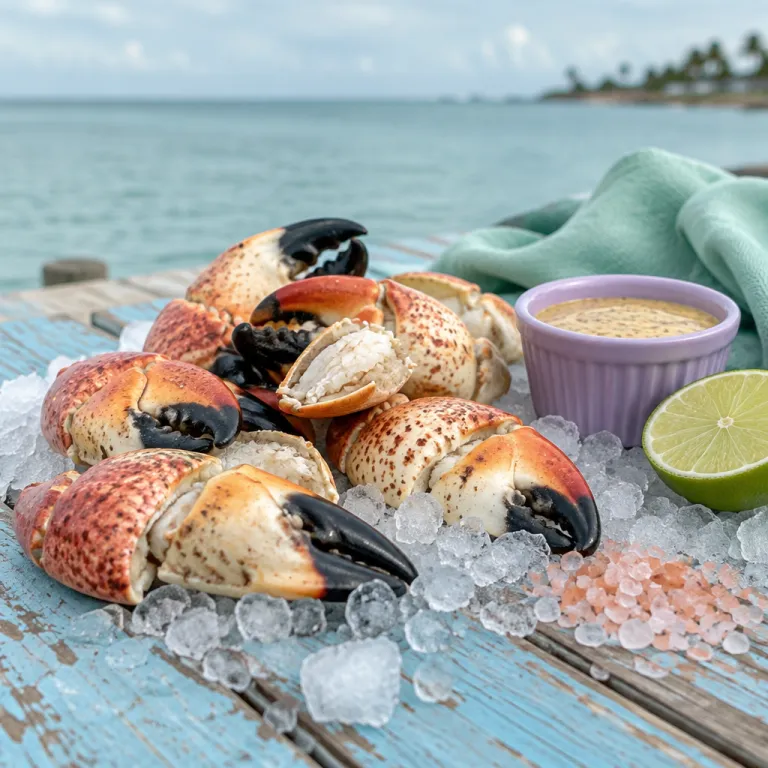
The classic way to eat Florida stone crabs is chilled, cracked and served with a mustard based sauce, plus lemon and maybe a simple salad. This is not fussy seafood ; it is elemental, all about the cold stone, the snap of the shell and the clean, briny sweetness of the claw meat. Order a mix of sizes to share, linger over a bottle of crisp white wine, and let the time between plates stretch into the kind of evening that justifies the trip.
To match your hotel to the meal, think in short walking distances rather than grand itineraries. In Miami Beach, stay within a few hundred metres of the restaurants you most want to try, so you can walk home along the water after a late claws dinner without worrying about transport. In the Keys or along the Gulf, choose small waterfront properties near marinas where crab traps are unloaded, so the line between sea, harvest and plate feels as short as possible and your romantic getaway becomes part of the quiet working rhythm of Florida stone crab season.
FAQ
When does Florida stone crab season usually run ?
Florida stone crab season typically runs from mid October through early May, with exact opening and closing dates set each year by the Florida Fish and Wildlife Conservation Commission. The commercial season defines when most restaurants can serve fresh claws, while recreational stone crab fishing follows the same overall window. For the best balance of availability and calmer travel conditions, many visitors aim for late autumn through mid winter.
How can I tell if stone crab claws are fresh ?
Fresh stone crab claws should feel cold, heavy for their size and have a clean, ocean like scent with no fishy smell. During the heart of crab season, coastal restaurants near active fleets in places like Key Largo, Miami and the Gulf islands are most likely to serve claws harvested within the last day or two. Do not hesitate to ask your server when and where the claws were harvested, and whether they were ever frozen.
Is eating stone crab sustainable ?
Stone crab is considered relatively sustainable because only one legal sized claw is taken and the crab is returned alive to regenerate. Florida Fish and Wildlife Conservation Commission regulations on trap registration, minimum claw size and daily limits for both commercial and recreational harvesters are designed to protect the crab population over time. Choosing restaurants that respect these rules and serve in season claws supports that management system.
Where should couples stay for a stone crab focused trip ?
For couples planning around Florida stone crab season, Key Largo, Miami Beach and the lower Gulf coast offer the best mix of access and atmosphere. Key Largo puts you close to largo fisheries and working marinas, while Miami Beach layers classic stone crab dinners onto a walkable, urban beachfront. The Gulf coast from Marco Island north offers quieter towns where you can pair sunset views with plates of fresh claws in a more low key setting.
Can visitors try recreational stone crab fishing themselves ?
Visitors can participate in recreational stone crab fishing if they follow Florida Fish and Wildlife Conservation Commission rules, which include having the proper recreational license, respecting trap limits and observing size and bag regulations. Many travelers choose to join guided trips rather than managing their own crab traps, since local captains handle trap registration and compliance. If you are interested, ask your hotel concierge or a local marina about reputable operators who focus on ethical, small scale recreational harvests.