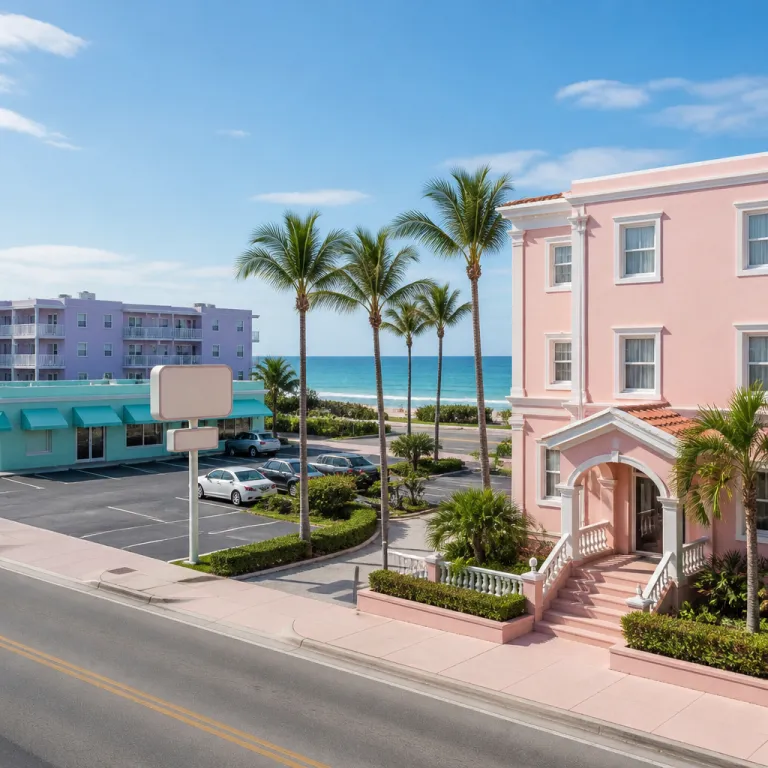
How the real cost of living in Florida shapes hotel rates
The real cost of living in Florida quietly frames every nightly rate you see. When the overall cost of living index for the state sits about 1.4 percent above the national average, hotel pricing in major cities inevitably reflects those higher baseline expenses. For a guest planning to live the Florida lifestyle for a week or two, understanding how this statewide reality filters into room prices helps you judge whether a waterfront upgrade or central city address is genuinely worth the extra cost.
Florida average annual per person spending now exceeds 60,000 USD, which signals that everyday costs Florida residents face are not low compared with the national average. Hotels must cover the same housing costs, utility bills, transportation expenses for staff and supplies, and rising insurance premiums that affect every household budget. When you see a higher price in a coastal city, you are often looking at a direct reflection of Florida cost pressures rather than pure luxury positioning or brand ambition.
For travellers comparing destinations, the cost of living in Florida at 2025 levels means that a mid range room in Miami or Orlando may match or exceed the average cost of similar accommodation in many other US cities. Yet the absence of a state income tax and relatively competitive sales tax help keep some operational costs in check, which can translate into attractive shoulder season offers. If you time your stay outside peak holiday periods, you can often enjoy a hotel in a prime city location at a nightly price that feels fair relative to both the national and Florida average.
Housing costs, real estate pressures and what they mean for your room
Behind every polished lobby in Florida stands a property owner navigating one of the country’s more dynamic real estate markets. Rising housing costs and a median price for homes that has climbed faster than the national average have pushed the cost Florida hoteliers pay for land, construction and financing to higher levels. When you book a room, a portion of that nightly price quietly services mortgages, property taxes and the average annual hidden homeownership costs that now reach about 24,700 USD in this state.
In coastal cities such as Miami, Tampa and Naples, the median price of hotel suitable land has surged alongside residential real estate, which tightens supply and supports higher room prices even in older properties. Operators must also budget for hurricane resistant construction, flood mitigation and specialised insurance, all of which raise the average monthly cost of simply keeping a building guest ready. These structural housing costs do not fluctuate with tourist demand in the same way that nightly rates do, so when the broader cost environment in Florida pushes them up, hotels have limited room to absorb the impact.
For guests, this means that a modest looking property in a high demand city may carry a surprisingly firm price floor, especially during peak year periods. If you are flexible, consider staying slightly inland where the median price of land and buildings is lower, because the cost of living pressures on owners are less intense there. You will often find that a short transportation ride to the beach or downtown delivers a better balance between Florida cost realities and the comfort level you expect from your room.
Miami versus other Florida cities: why some hotel bills feel steeper
Not every Florida city treats your travel budget the same way. Miami, with its international profile and dense coastal real estate, typically posts hotel prices that sit noticeably higher than the Florida average, while cities such as Jacksonville or Tallahassee often offer more moderate costs Florida visitors can appreciate. When you compare the cost of living in Florida 2025 across regions, South Florida consistently emerges as the higher cost of living zone, and your nightly bill mirrors that pattern.
Average rent for long term tenants in Florida now stands around 1,700 USD per month, but in central Miami the average monthly rent can run several hundred dollars above that figure. Hotels competing for staff in such a city must pay wages that reflect this higher rent burden, and those labour costs inevitably filter into the price you pay per night. By contrast, a city with lower median rent and a more modest median price for homes can sustain competitive hotel rates without compromising service quality or amenities.
When you plan to live Florida life for a week in Miami, expect your accommodation to consume a larger share of your travel budget than it would in many other US cities. If you prefer to stretch your funds, consider pairing a few nights in a flagship Miami property with several nights in a secondary city where the Florida cost of living is closer to the national average. This strategy lets you experience the glamour of a marquee city while still respecting the real costs Florida residents and hoteliers face throughout the year.
Transportation, utility and insurance costs hiding in your nightly rate
Hotel operations in Florida are deeply exposed to the same transportation costs, utility costs and insurance premiums that shape household budgets. When fuel prices rise, the cost Florida businesses pay to move food, linens and supplies between cities increases, and that higher transportation price eventually appears in room rates. The cost of living in Florida 2025 landscape also includes elevated electricity demand for air conditioning, so hotels face substantial utility bills simply to keep rooms comfortable in the humid subtropical climate.
Insurance in Florida is a particularly heavy line item because of hurricane risk, coastal flooding and evolving building codes that require robust coverage. Properties in Miami and other coastal city locations often pay significantly higher insurance premiums than inland peers, which means their average cost per available room starts from a higher baseline. Even though guests do not see a separate insurance fee on their folio, this invisible cost of living factor is baked into the Florida cost of every stay, from modest roadside inns to luxury towers.
Sales tax and the absence of a state income tax also shape the final price you pay at checkout. While Florida does not levy a state income tax on wages, it does rely on sales tax and tourism related levies, which are applied to your room rate and some services. When you compare offers, always check whether quoted prices include these taxes and mandatory fees, because the apparent average nightly rate on a website may understate the true cost of living impact on your travel budget.
Healthcare, staffing and service levels: why quality has a price
The cost of living in Florida 2025 also shows up in the people who welcome you at reception and clean your room. As healthcare costs rise across the state, employers must contribute more to staff benefits or risk losing qualified team members to other industries or cities. When the annual income needed to live comfortably in Florida approaches 97,386 USD for a typical household, hotels cannot sustain excellent service without paying wages that reflect this living Florida reality.
Florida residents working in hospitality face the same housing costs, transportation costs and healthcare costs as any other worker, so competitive pay is essential to retain experienced staff. In high cost city markets such as Miami or Key West, the average cost of commuting, rent and basic living expenses can be significantly higher than the national average, which pushes employers to adjust compensation accordingly. Those labour related costs Florida hotels incur are then distributed across room rates, food and beverage prices and resort fees, subtly influencing every line on your bill.
For guests, this means that a slightly higher Florida cost per night can translate into better maintained rooms, faster service and a more attentive experience. When you evaluate offers, consider whether an unusually low price in a high cost of living market might signal understaffing or deferred maintenance. Paying a fair median price for a room in a reputable property often delivers better overall value than chasing the absolute lowest price in a city where the underlying cost of living is objectively elevated.
Practical strategies to align your hotel choice with Florida’s real costs
Understanding the cost of living in Florida 2025 is only useful if it guides smarter booking decisions. Start by comparing the average cost of hotels in your chosen city with the Florida average, then decide whether you prefer to allocate more of your budget to location, room size or on site amenities. If you know that Miami carries higher baseline prices than many other cities, you can consciously choose whether to live Florida’s most glamorous side for a few nights or base yourself in a more affordable city and visit by train or car.
Look closely at what is included in the advertised price, because resort fees, parking charges and breakfast policies can dramatically change the real Florida cost of your stay. A property with a slightly higher median price that includes parking, Wi Fi and breakfast may deliver a lower overall cost of living impact than a cheaper headline rate that adds fees for every service. When you factor in transportation costs to and from attractions, as well as sales tax on incidentals, the most transparent offer often becomes the best value for your year travel budget.
To see how this plays out, imagine a 200 USD base nightly rate in Miami. Local sales and tourism taxes might add about 28 USD, while embedded costs for wages, insurance, utilities and maintenance could easily account for more than half of the original 200 USD. Finally, align your expectations with the living Florida context of each market you consider so that a modest room rate in a high demand coastal city with expensive real estate and elevated housing costs can be recognised as strong value relative to the national average.
Key figures that frame the real cost of a Florida stay
- Florida’s overall cost of living sits about 1.4 percent above the national average, which means hotel and travel budgets typically need a small but noticeable premium compared with many other US states (U.S. Bureau of Economic Analysis Regional Price Parities, Table RPP by state, and Missouri Economic Research and Information Center quarterly cost of living index).
- Average rent for long term tenants in Florida is roughly 1,700 USD per month, a level that pushes wages and therefore hotel operating costs higher in major cities such as Miami (Apartments.com statewide average rent series and comparable Florida rental listings).
- Hidden homeownership expenses for Florida property owners, including maintenance, taxes and insurance, average about 24,700 USD per year, a burden that directly affects the baseline cost of running hotel real estate (Bankrate analysis of ownership costs and typical carrying charges for Florida homes).
- To live comfortably in Florida, a typical household now needs close to 97,386 USD in annual income, a benchmark that shapes wage expectations for hospitality staff and influences the service component of your nightly rate (SmartAsset assessment of comfortable income levels using the 50/30/20 rule for Florida metros).
- Average annual per person spending in Florida exceeds 60,000 USD, underscoring that everyday prices in the state are slightly higher than national norms and that visitors should calibrate their hotel budgets accordingly (U.S. Bureau of Economic Analysis consumer expenditure data, state level breakdowns and personal consumption tables).
FAQ about the cost of living in Florida and hotel stays
What is the average cost of living in Florida and how does it affect hotel prices ?
What is the average cost of living in Florida? Approximately 1.4% above the national average, based on recent BEA Regional Price Parities and MERIC rankings. Because the overall cost of living index is higher than the national average, hotels face elevated expenses for wages, utilities and insurance, which leads to slightly higher nightly rates than in many lower cost states.
How much does housing cost in Florida and why does that matter for guests ?
How much does housing cost in Florida? Average rent is about 1,700 USD per month according to statewide rental data. When long term rent and housing costs rise, hotel owners pay more for real estate and staffing, so the median price of rooms in high demand cities such as Miami tends to increase in parallel.
What are hidden costs of homeownership in Florida for hotel owners ?
What are hidden costs of homeownership in Florida? Roughly 24,700 USD annually, including maintenance and taxes, as estimated by Bankrate for typical owners. For hotel operators, these hidden costs Florida wide include building upkeep, property taxes and specialised insurance, all of which are folded into the Florida cost structure that underpins every nightly rate.
How much income is needed to live comfortably in Florida and what does that imply for hotel staffing ?
How much income is needed to live comfortably in Florida? Approximately 97,386 USD annually according to SmartAsset’s comfortable income benchmark. Because hospitality workers must earn enough to live Florida life at this comfort level, hotels in many cities pay higher wages, which supports service quality but also contributes to the average cost of rooms.
Are there regional variations in Florida's cost of living that travellers should consider ?
Are there regional variations in Florida's cost of living? Yes, South Florida is more expensive than other regions, with higher rents, insurance premiums and real estate values. Guests will usually find that Miami and nearby coastal cities carry higher hotel prices than inland destinations, so adjusting your itinerary between regions can help balance experience and budget.
Sources
U.S. Bureau of Economic Analysis Regional Price Parities (Table RPP by state) and consumer spending tables; Missouri Economic Research and Information Center quarterly cost of living reports for Florida; Bankrate hidden homeownership cost breakdown for Florida properties; SmartAsset comfortable income calculations for Florida households using the 50/30/20 rule.